
Confederation Boulevard Planning & Design Guidelines
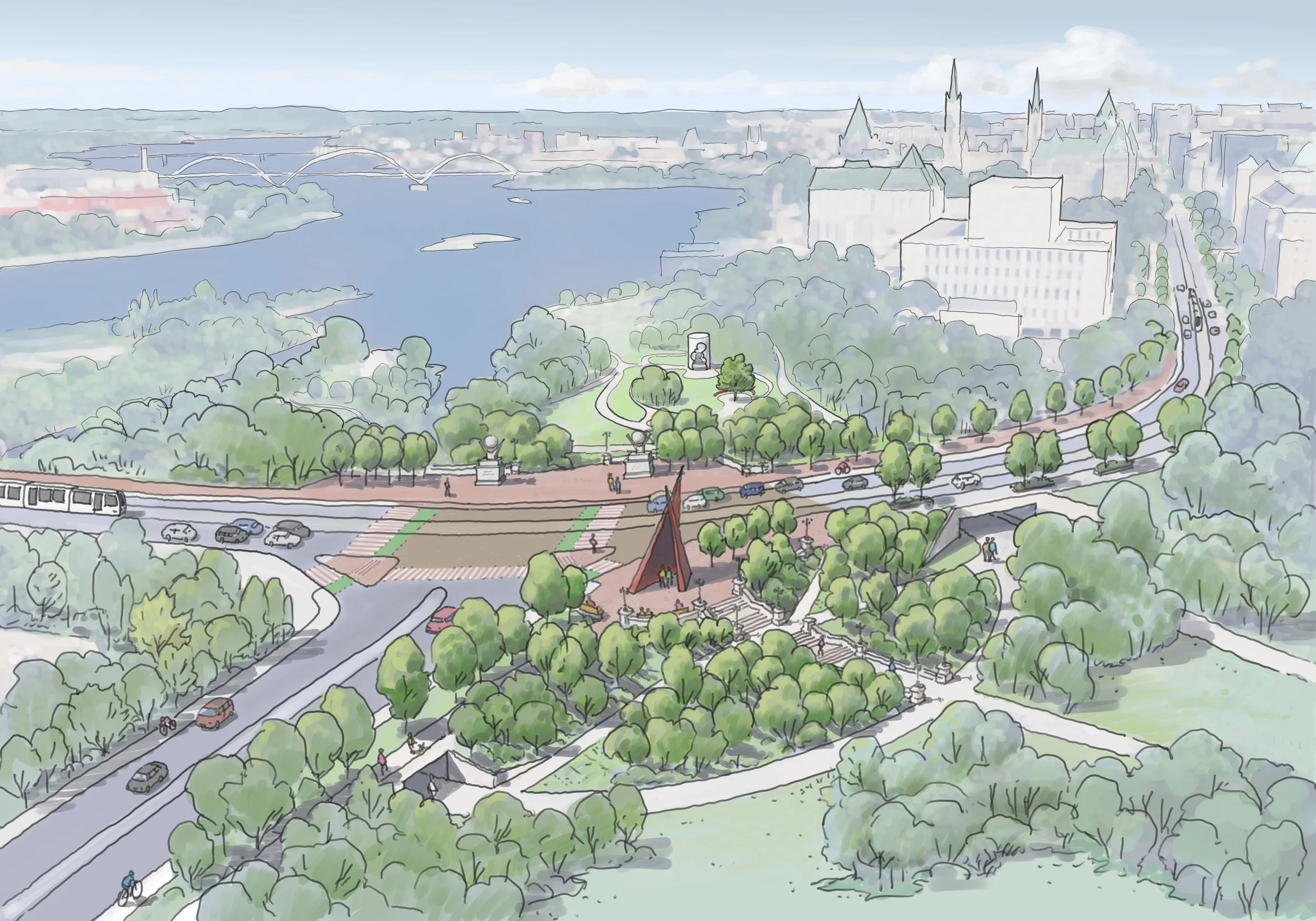
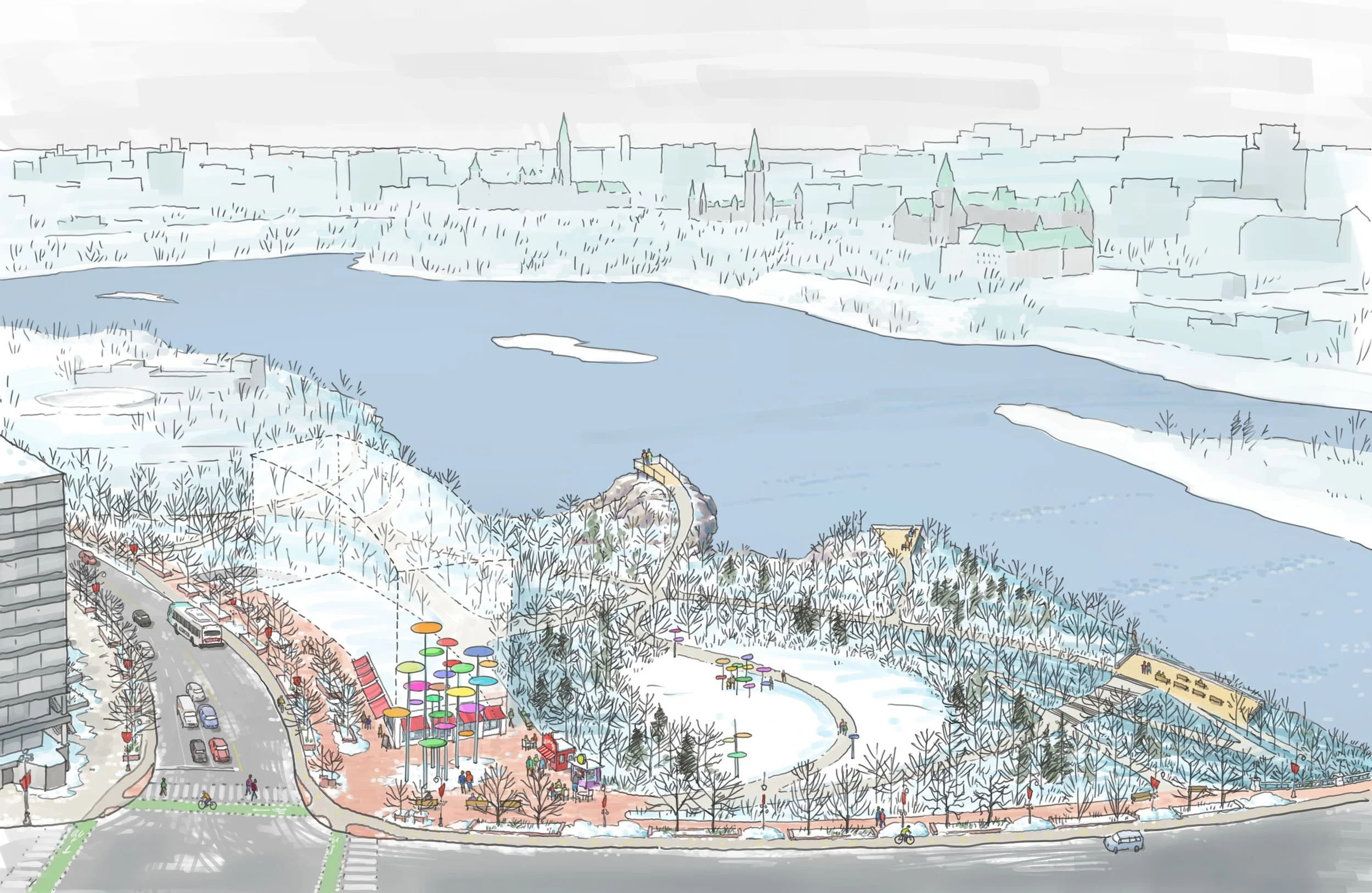
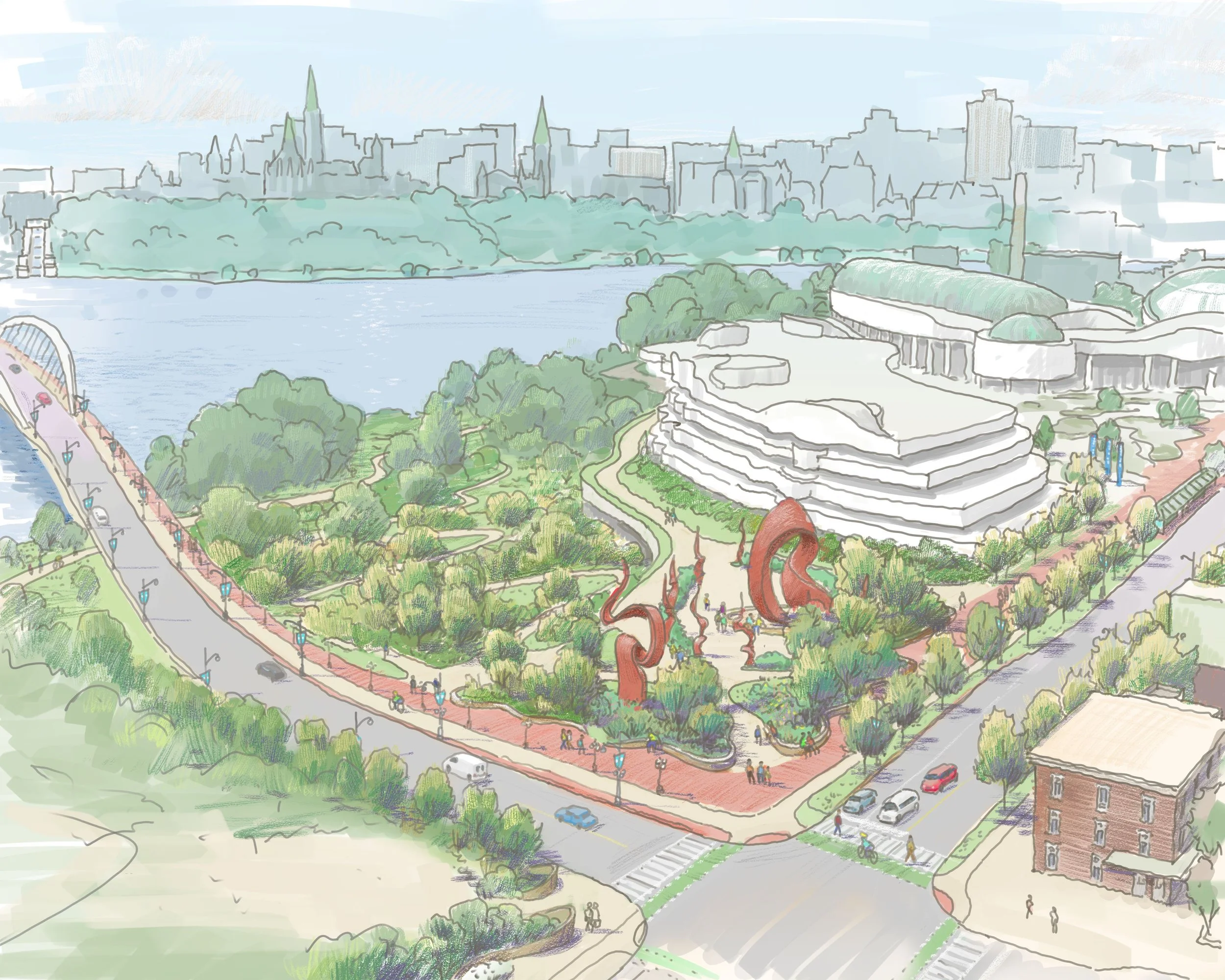
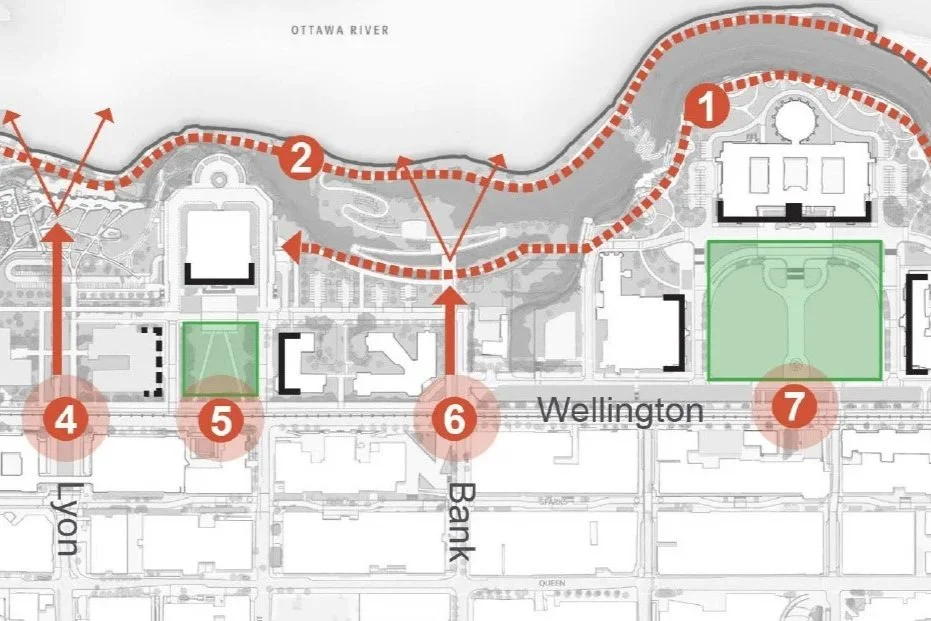
Ottawa/Gatineau, ON/QCThe National Capital Commission sought to update Confederation Boulevard’s Planning and Design Guidelines to guide infrastructure renewal and new public space design along the route’s 7km length in Ottawa and Gatineau. The updated guidelines build on the existing guidelines and built heritage context context by comprehensively defining essential character elements and creating a framework for new interventions that account for evolving security, technology, Accessibility, and active transportation needs.
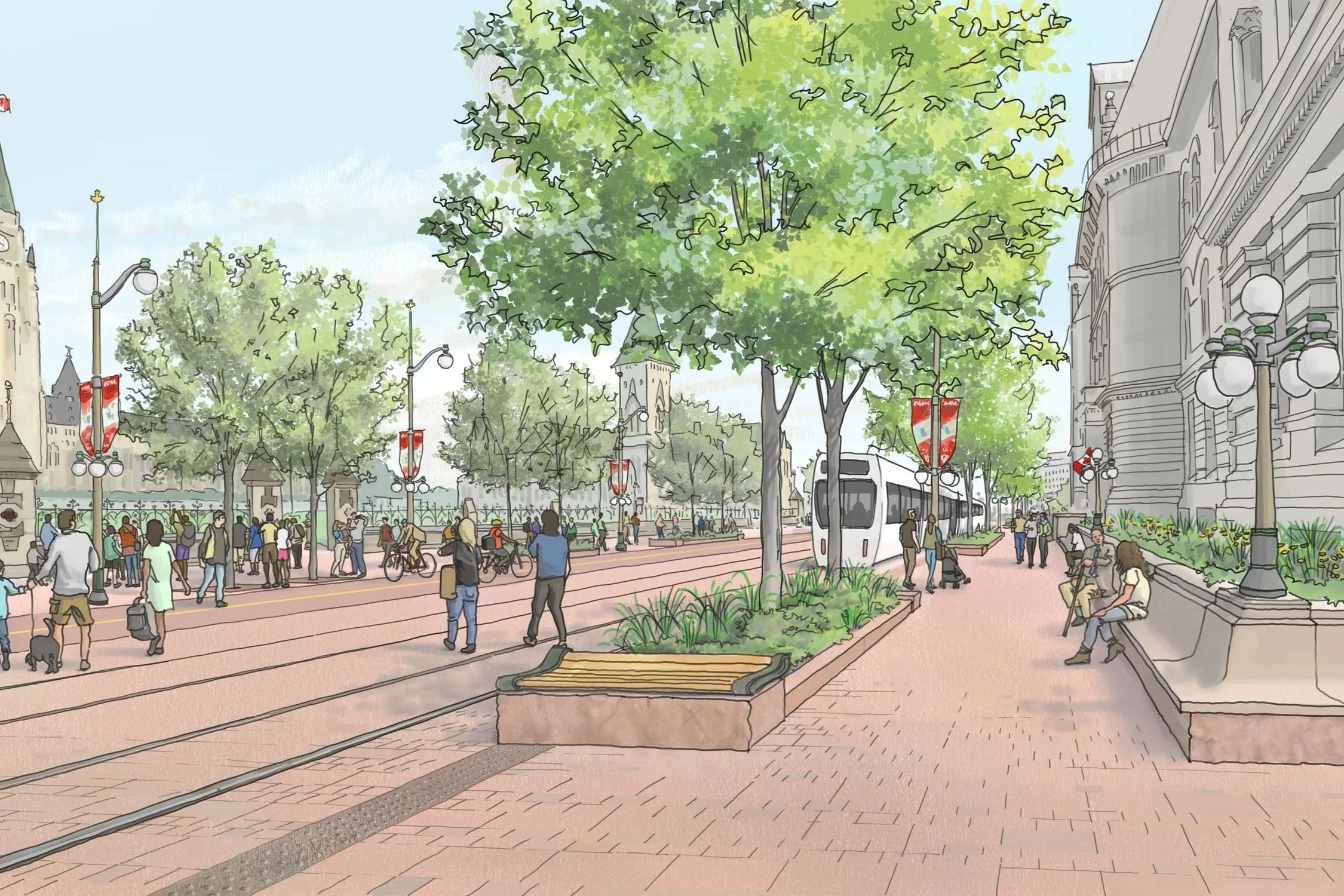
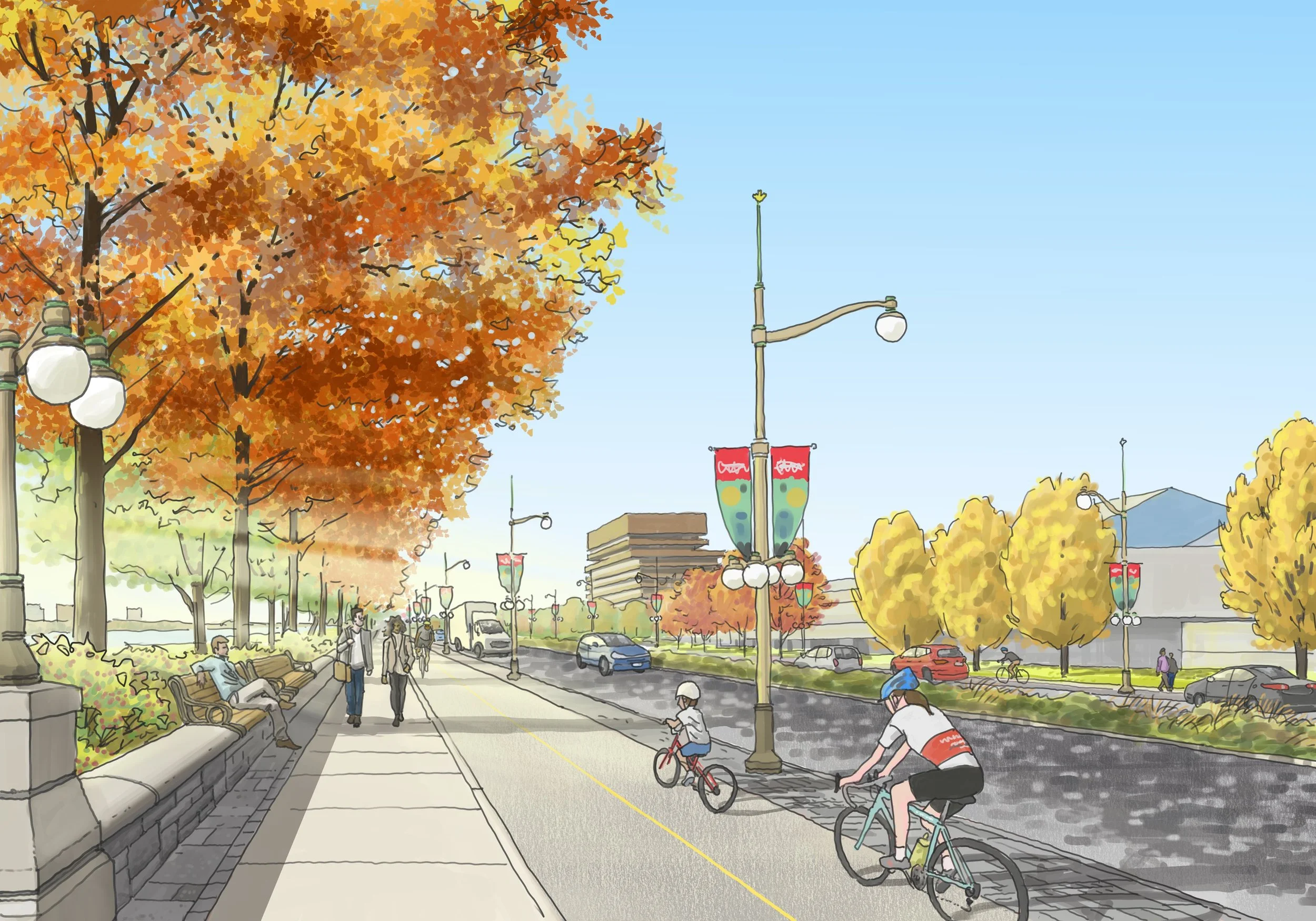
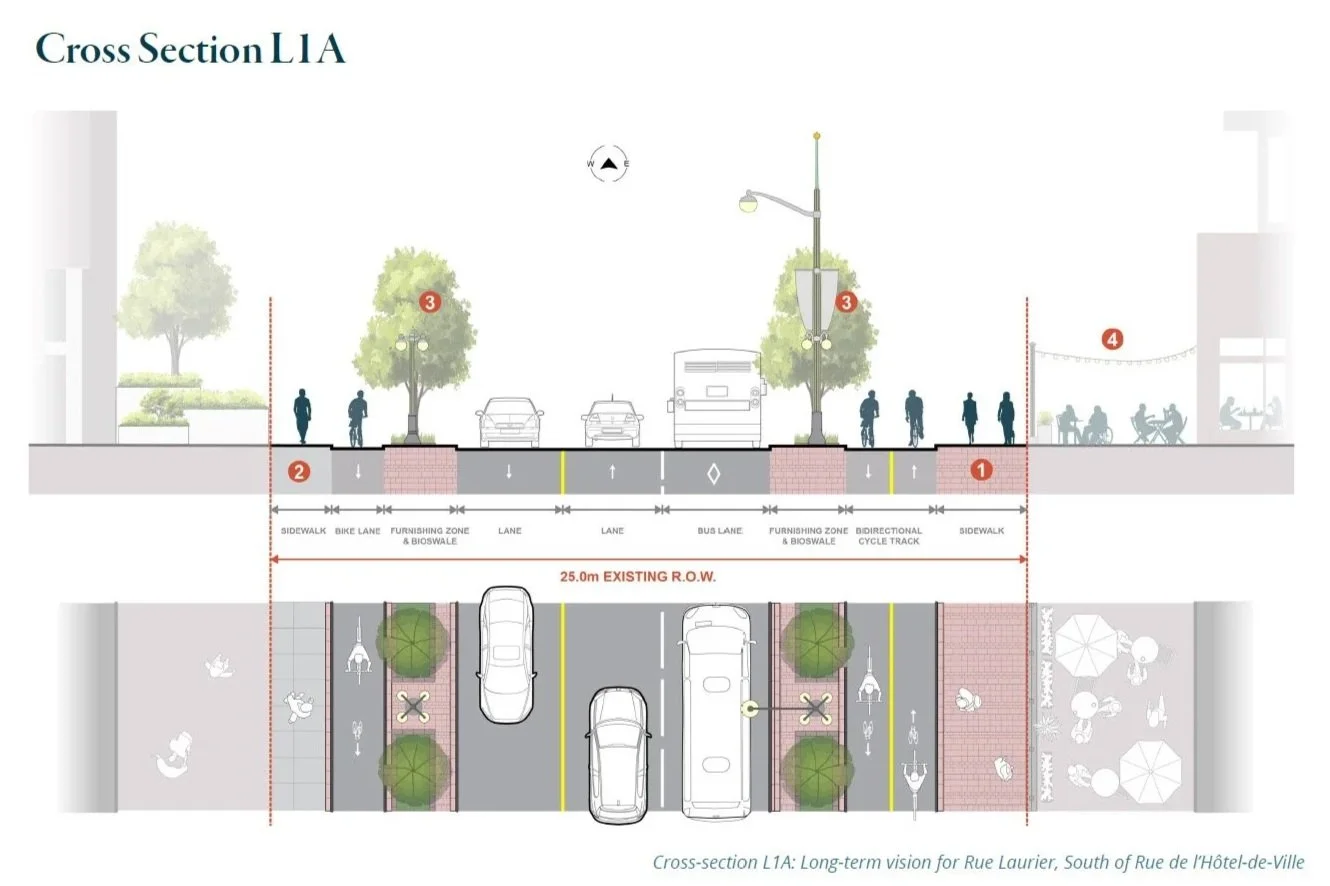
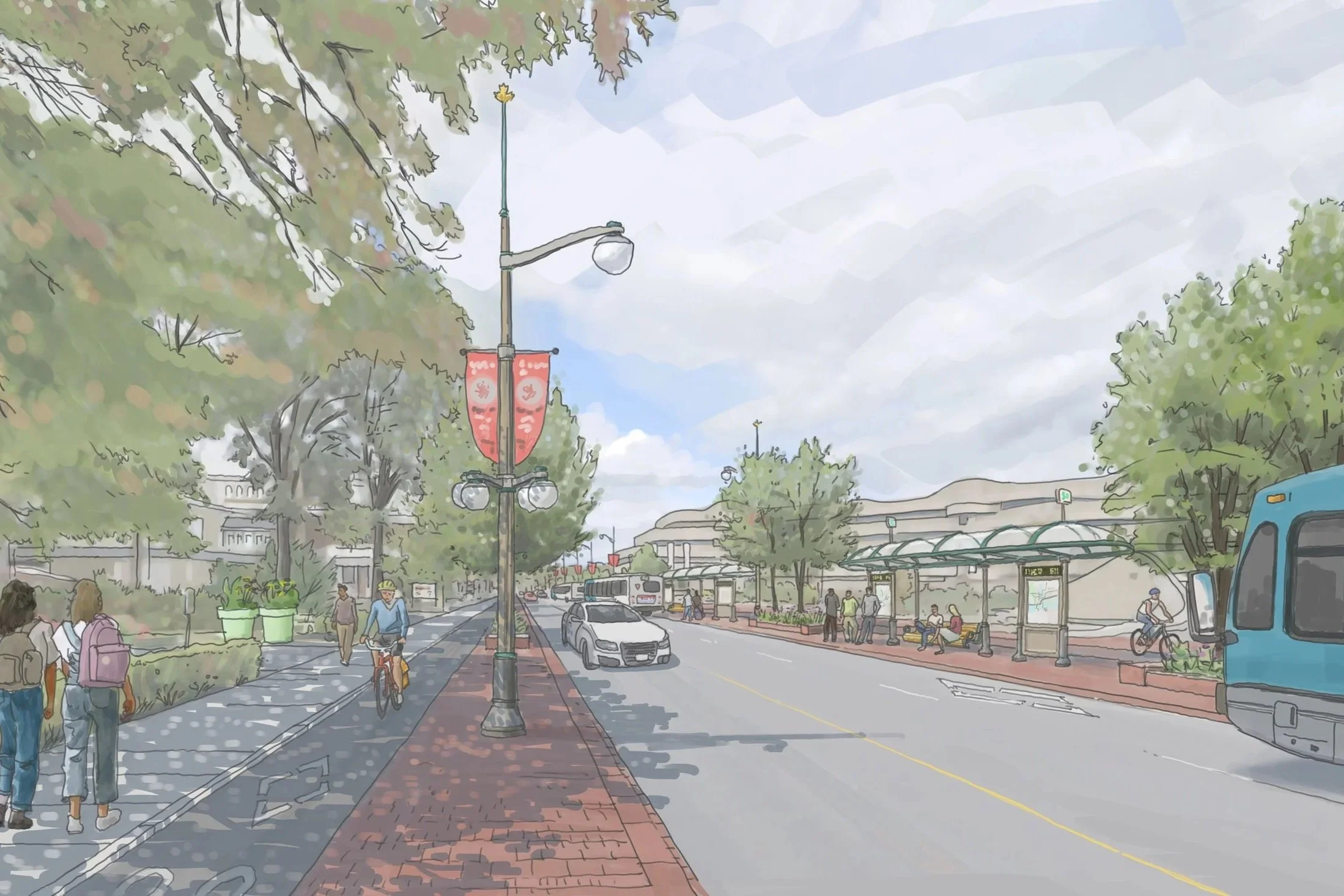
A collaborative stakeholder engagement process was fundamental to achieving buy-in from the NCC and related Federal agencies including Patrimoine Heritage Canada. As important as achieving compatibility with cultural heritage landscapes was accommodating change within Ottawa and Gatineau’s multi-jurisdictional environment with constrained rights-of-ways. This included a systematic focus on pedestrian priority through shared streets, widened sidewalks, enhanced intersections and new public spaces; expanding and modernizing streetscape elements such as furniture and lighting to accommodate new technologies and greater functional diversity; integrating security measures into the streetscape in a visually unobtrusive way, ensuring streets and gathering spaces are open and inviting to all; and greening of the Boulevard and public gathering spaces, as originally envisioned but never fully realized. The guidelines provide short-term, low-cost interventions for street segments that introduce cycling infrastructure and new planting, while providing a long-term vision of transformation, such as the reconceptualization of Wellington Street in front of Parliament Hill as a European-style woonerf or shared street accommodating a planned future tram in a continuous plaza space.